

Inspirational People - Interviews
Dr. Andrea Tomeo: Redefining Beauty Beyond Injectables
Rim Nsouli
20-August-2026
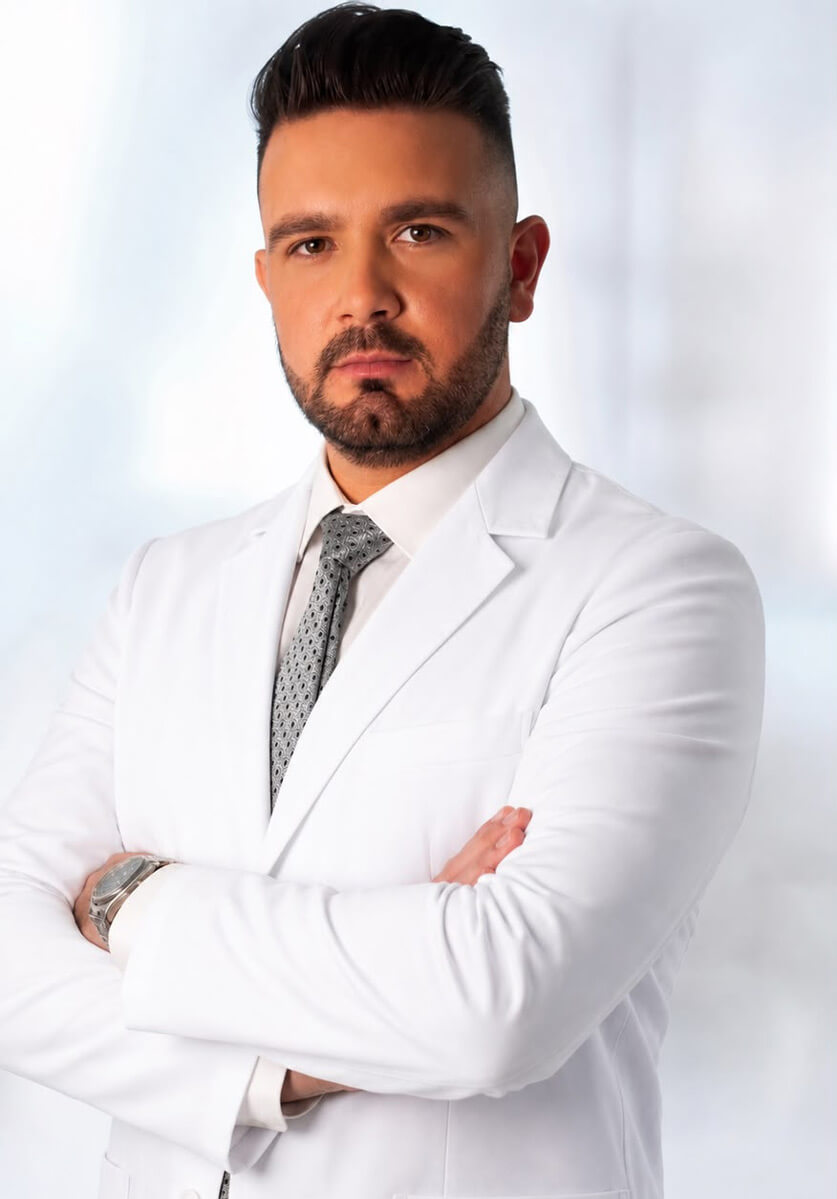

As the world of aesthetic medicine moves beyond quick fixes and one-size-fits-all solutions, Dr. Andrea Tomeo, Consultant Physician and Training Director at Yugen Care by Dr Gehad Clinic, is at the forefront of a more holistic approach to beauty and longevity. With a distinguished career spanning regenerative and aesthetic medicine, stem-cell research, and medical education, Dr. Tomeo brings together scientific innovation, clinical precision, and a deep understanding of individual beauty.
In his role as Director of Education & Development at Yugen Care, he oversees initiatives across regenerative medicine, longevity and professional training, helping shape the clinic’s evidence-based approach to patient care.
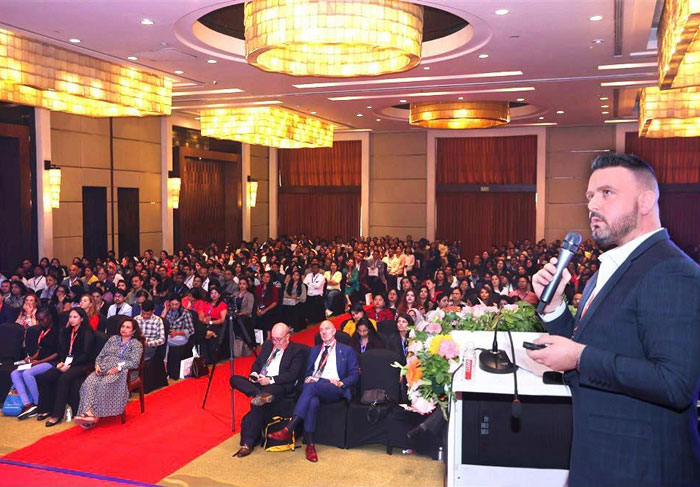
In this conversation, Dr. Tomeo explores the rise of regenerative aesthetics, the future of stem-cell and personalised treatments, the growing role of AI and advanced diagnostics, and the shift towards subtle, natural-looking results. He also shares his perspective on preventative aesthetics, social media’s influence on beauty standards, and why the future of beauty may ultimately be about ageing well, feeling healthy, and remaining authentically yourself.
1. The aesthetic industry is evolving rapidly. How has the focus shifted from simply treating wrinkles with Botox to improving overall skin health through regenerative medicine?
The focus has moved from simply correcting individual signs of ageing to understanding the skin as a living, on the biological levels. Botox remains an excellent tool for reducing wrinkles, but with regenerative medicine and longevity protocols we can treat collagen production, skin quality, hydration, elasticity and tissue health. The goal is increasingly to stimulate the body’s own repair mechanisms and create results that look healthy and natural, rather than simply old style “frozen faces”.
2. Regenerative aesthetics is often described as the future of cosmetic medicine. What does regenerative beauty actually mean, and why is it becoming such a significant movement?
Regenerative beauty is about supporting and restoring the quality of the tissues rather than just masking the signs of ageing. It includes technologies that aim to stimulate collagen, improve cellular function, and encourage natural tissue regeneration. It is becoming significant because patients are always looking for increasingly long-term improvements in skin quality and healthier ageing rather than dramatic, temporary changes.
3. You've dedicated much of your career to stem cells and regenerative medicine. Which innovations do you believe will have the greatest impact on aesthetic medicine over the next five to ten years?
I believe the biggest advances will come from better understanding of cellular signalling, stem-cell-derived technologies, tissue structures and highly targeted regenerative treatments. I’m a very big fan of autologous mesenchymal stem cells for example and lately we will also see much more personalised medicine, where treatments are selected based on an individual’s biology rather than using a standard size-fits-all approach. The combination of regenerative science and advanced diagnostics could be particularly transformative in the next years.
4. We are seeing growing interest in treatments such as peptides, exosomes, and biostimulators. How do these technologies differ from traditional injectables, and what role do they play in modern facial rejuvenation?
Traditional injectables primarily work by relaxing muscles or adding volume. Peptides, exosome-based technologies and biostimulators are part of a broader approach aimed at influencing cellular activity, supporting skin repair or stimulating collagen production. In my personal opinion, they don’t necessarily replace traditional treatments; instead, they can complement them as part of a more comprehensive approach to skin quality and facial rejuvenation.
5. Many patients now ask for subtle, natural-looking results rather than dramatic transformations. How has this shift changed the way you approach facial aesthetics?
It has encouraged a much more holistic approach. Rather than asking, “How do we remove this wrinkle?” we ask, “How can we improve the overall balance and quality of this face?” Personally, I like to work on the bespoke approach, I focus on proportion, skin health, facial movement, and balancing. The best aesthetic treatment is often the one where people notice that you look refreshed and healthy but cannot immediately identify what has been done.
6. Social media has undoubtedly influenced beauty standards worldwide. In your opinion, what are the biggest misconceptions it has created about aesthetic treatments?
One of the biggest misconceptions is that aesthetic treatments are effortless and risk-free. Social media often shows the final result without showing the consultation process, recovery time, possible complications or the real process and all the steps involved. Filters and edited images have also created unrealistic expectations for the patients . I always like to tell all my patients, that they need to remember that real faces move, have texture and change with age — and that should be embraced.
7. Preventative treatments have become increasingly popular among younger patients. Do you believe preventative Botox and early intervention are always beneficial, or should treatment plans be more individualized?
They should absolutely be individualized. There is no universal age at which someone should start treatments.
For some patients, early intervention may be appropriate, while for others it may be unnecessary. The decision should be based on facial anatomy, muscle activity, skin health, lifestyle, and the patient’s goals rather than social media trends or pressure to start treatments at a particular age.
8. Artificial intelligence and advanced diagnostics are beginning to influence healthcare. How do you see AI and digital technology shaping the future of aesthetic medicine and personalized treatment planning?
AI could become extremely valuable in analyzing facial structure, skin characteristics, and changes over time. It may help the physicians to identify patterns that are difficult to assess with the naked eye and support more personalized treatment planning. However, I see AI as a tool to enhance clinical expertise, not replace it. The human understanding of facial expression, emotion and individuality will remain essential always.
9. Having worked with celebrities, and patients from around the world, you've witnessed changing beauty ideals firsthand. Looking ahead, what do you believe the future of beauty will look like, and what advice would you give to anyone seeking age gracefully?
I think the future of beauty will be much more individualised. I’ve been in 98 countries worldwide and I’ve been very lucky to be able to experience different methods and different practices and procedures.
We are moving away from a single definition of beauty and towards looking healthy, longevity and being “balanced” and authentic at every age. My advice is to start with skin health, choose treatments carefully, and avoid chasing every new trend. Ageing is a privilege, and aesthetic medicine should enhance and compliment who you are, slow down the aging process — not try to turn you into someone else! Less is more.
Recommended

Via Lemann: Grace Under Fire
17-August-2026
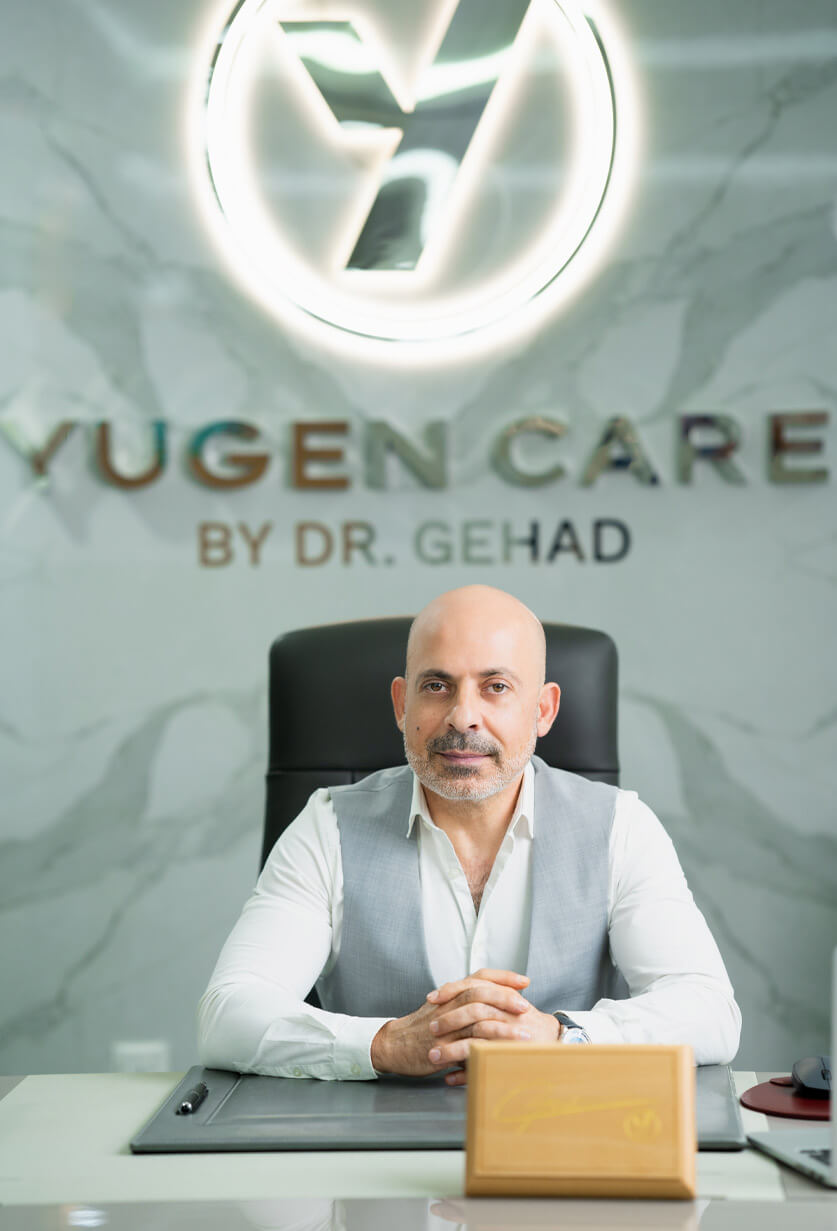
Dr. Gehad Masri on Aesthetic Medicine and the Future of Longevity at Yugen Care
3-August-2026
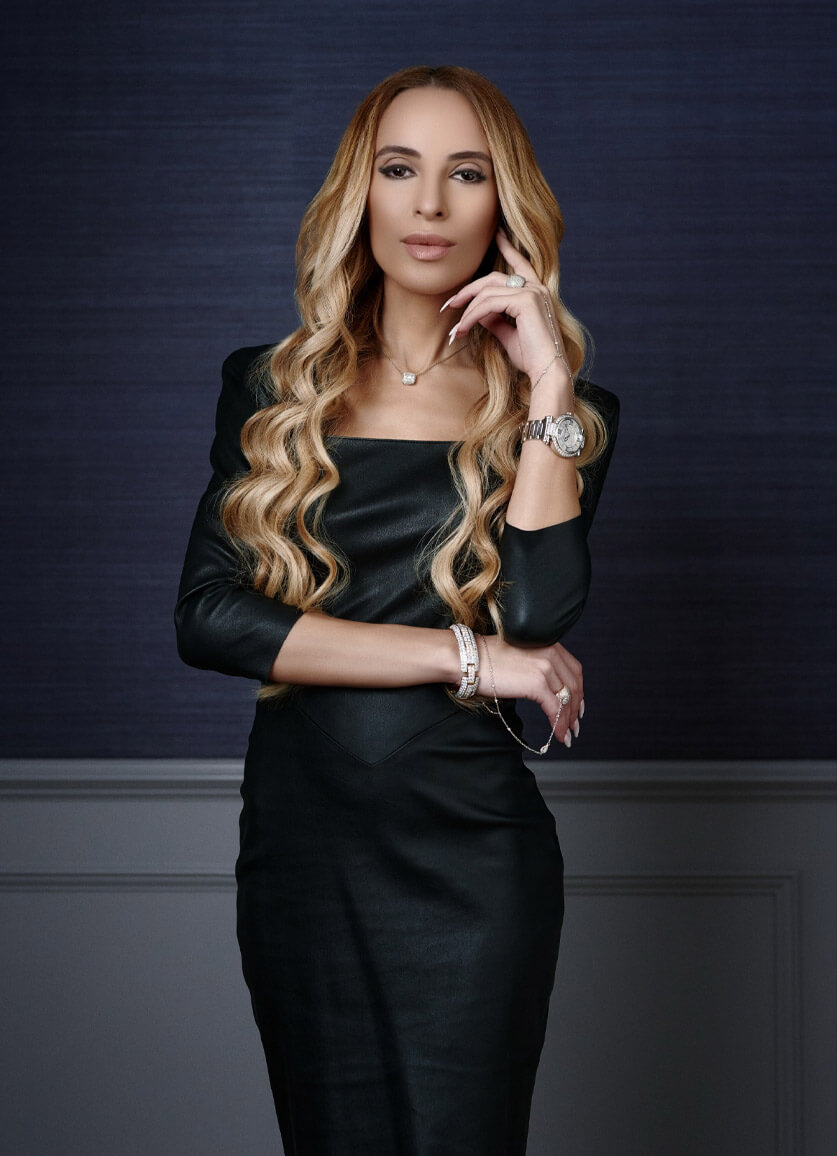
Noor Alfardan redefines the world jewelry with creativity and authenticity
19-May-2026
Most read
-
1
The Beauty Drop: New Products to Refresh Your Routine
-
2
No Mascara? No Problem Benefit Cosmetics Guide to the Bare-Lash Trend
-
3
Dior Gives Its Iconic J’adore Hair Mist a Luminous New Makeover
-
4
Tod’s Celebrates the Art of Italian Living in Its Fall/Winter 2027 Campaign
-
5
Pencil Skirt and the Return of an Iconic Bag… Everything You Need to see from New York Fashion Week