
LIFESTYLE - Art & Culture
Beirut Habibi: Assouline’s New Tribute to the City That Never Stops Reinventing Itself
Rim Nsouli
19-August-2026
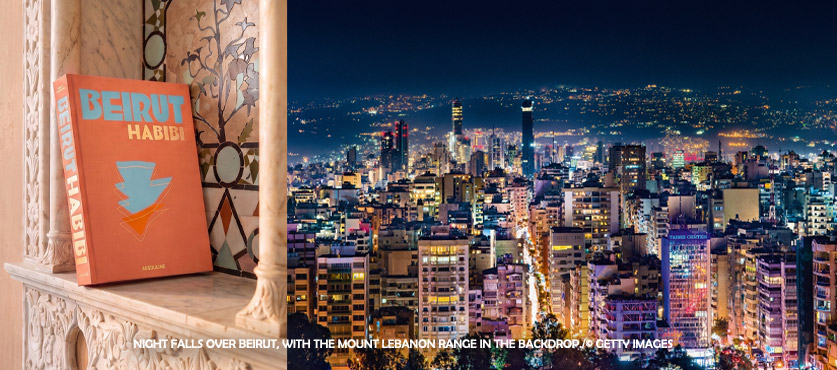

There are cities that stay with you and Beirut is definitely one of them.
Perched on a peninsula overlooking the Mediterranean, Lebanon’s capital has been shaped by centuries of history, from its beginnings as a Phoenician port to its Roman, Ottoman, and French chapters. Yet beyond its layered past, Beirut has always been defined by its ability to reinvent itself.
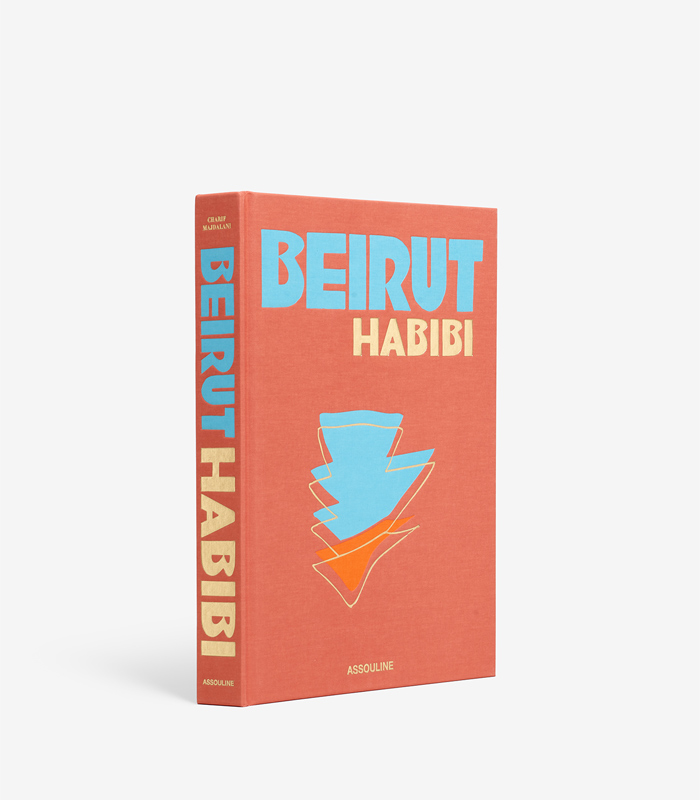
This spirit takes center stage in Beirut Habibi, Assouline’s latest book celebrating the city’s distinctive character, cultural heritage, and enduring creative energy. Across its pages, Beirut emerges as a city of contrasts: Mediterranean in landscape, cosmopolitan in rhythm, and deeply Arab and Levantine at heart.
From the elegance of the Sursock family’s historic palace to the lively streets of Gemmayze, the book explores the many faces of a city where old and new constantly meet. Historic souks, intimate cafés, art galleries, restaurants, and boutiques coexist with landmarks such as the iconic Raouché rock formations, creating a visual and cultural portrait of Beirut in all its complexity.
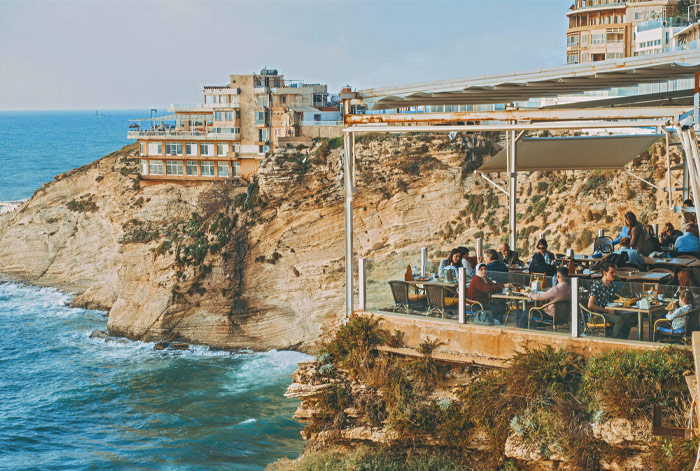
The Bay Rock Cafe serves up traditional Arabic and Lebanese dishes overlooking the iconic Raouché Rocks.
© Hugh Mitton/Alamy Stock Photo
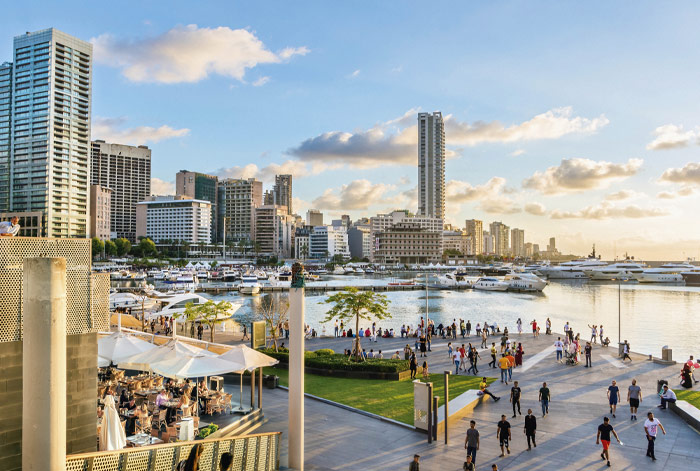
The waterfront district, Saint George Bay (also called Zaitunay Bay), offers a sophisticated urban experience by the Mediterranean Sea.
© JossK/Shutterstock
The city’s story is also one of resilience. Since the end of the Lebanese Civil War in 1990, Beirut has continued to evolve, carrying its history forward while welcoming new generations of artists, designers, writers, and creatives. Lemon-scented streets, bustling neighborhoods, and a thriving cultural scene reflect a city that refuses to be defined by its past alone.
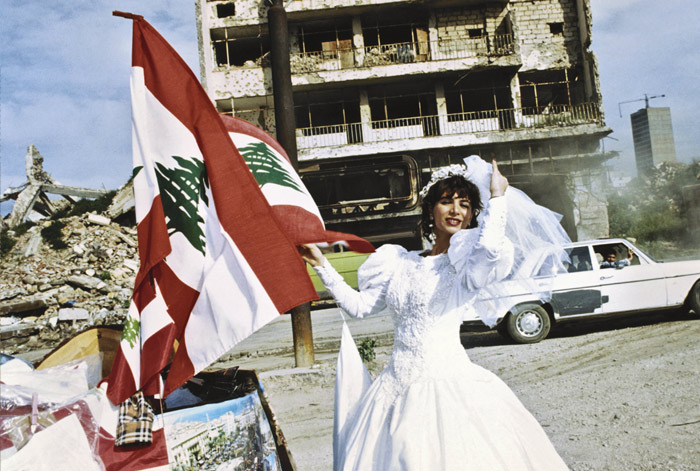
Lebanese flags are often seen at Beirut weddings.
© Christine Spengler/Sygma/Getty Images
Fashion is an essential part of that creative identity. Beirut’s influence extends far beyond Lebanon, with designers such as Elie Saab bringing the city’s innate sense of elegance and craftsmanship to international couture runways. In Beirut Habibi, these creative voices become part of a larger portrait of a city where beauty and reinvention have always gone hand in hand.
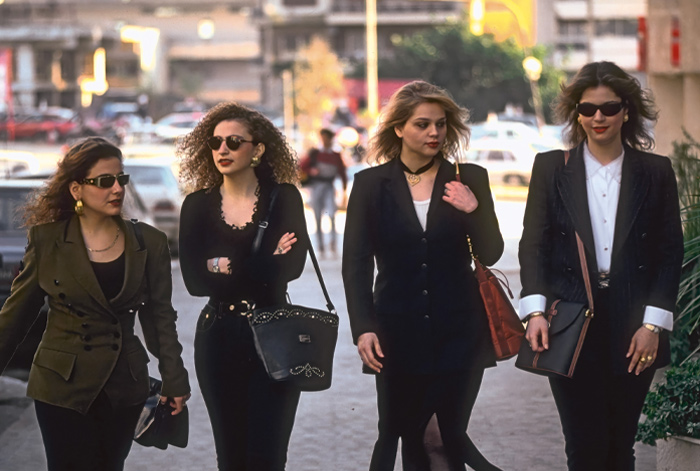
A group of Beiruiti women/ © Getty Images
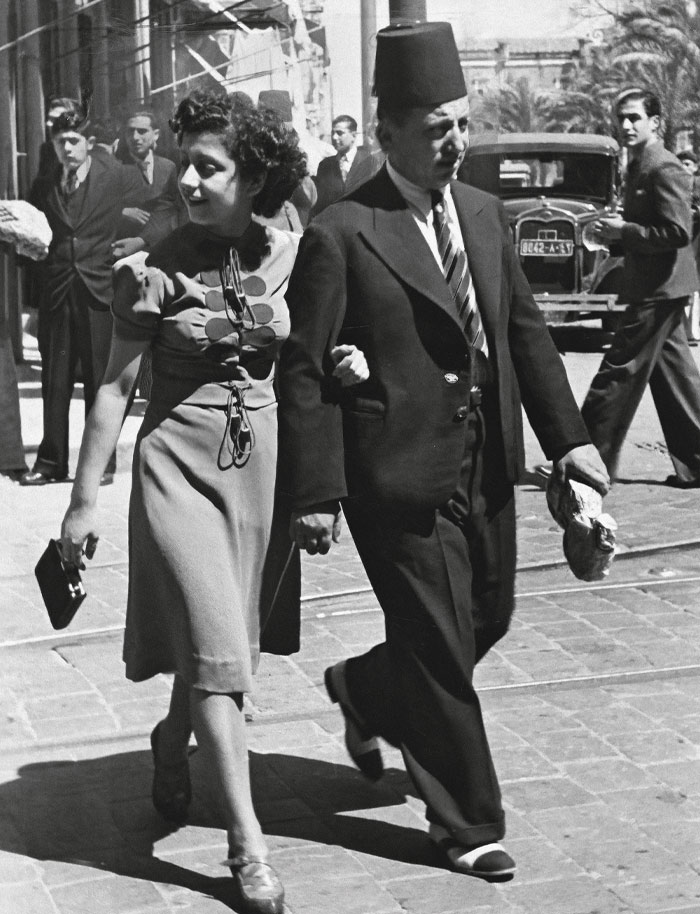
In 1939, many Beirutis wore Western suits and dresses along with traditional elements like the tarboosh/ © Bernd Lohse/ullstein bild/Getty Images
The book is written by Lebanese novelist and professor Charif Majdalani, whose deep personal connection to Beirut adds an intimate literary dimension to the publication. Born in Beirut in 1960, Majdalani studied at the Université de Provence before completing his PhD in 1993. He is a professor at Saint-Joseph University of Beirut and served as dean of its French Literature Department from 1999 to 2008.
A prolific French-language writer, Majdalani has published ten novels and two essays between 2005 and 2025. His debut novel, Histoire de la grande maison, was shortlisted for several major French literary prizes, while Caravansérail received both the Tropiques Prize and the French Academy’s François Mauriac Prize. His most recent novel, Le Nom des Rois, was shortlisted for the Goncourt Prize in 2025. He is also a member of the editorial board of L’Orient littéraire, a columnist for the French daily La Croix, and president of the International Writers’ House in Beirut.
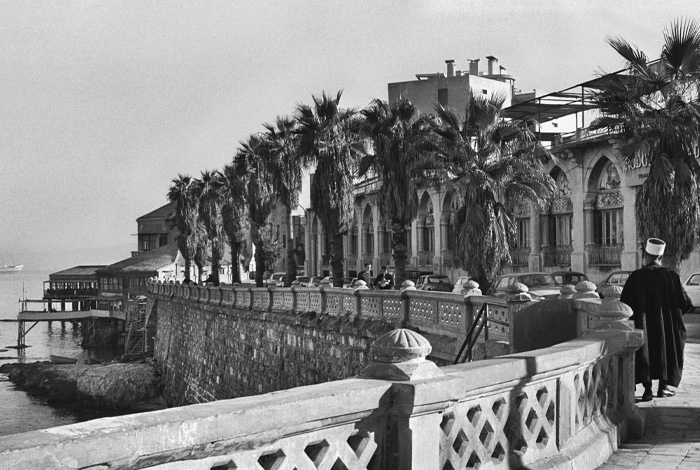
The Boulevard de Paris, circa 1972. Before the civil war, the hotels, casinos, beaches, and glamorous nightlife along this prominent seaside avenue attracted international stars to the city’s riviera. / © Saunderfan/GPO/Getty Images
Through Majdalani’s words and Assouline’s signature visual storytelling, Beirut Habibi captures more than a destination. It celebrates a state of mind: a city marked by history yet constantly looking ahead, where Mediterranean beauty, cultural richness, creativity, and resilience exist side by side.
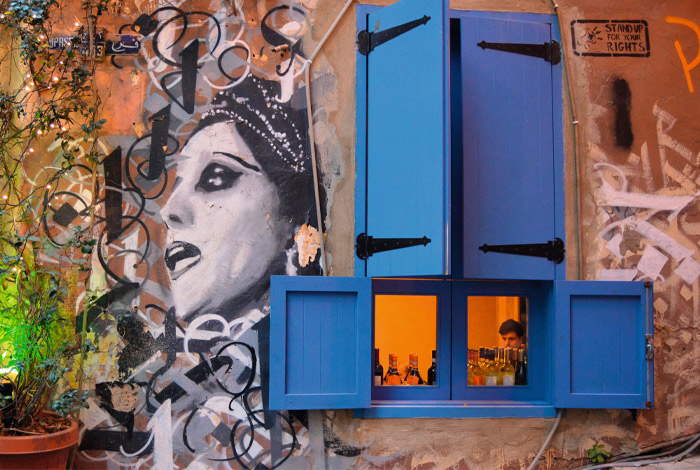
Beiruti artist Yazan Halwani’s famous graffiti mural depicting Lebanese singer and cultural icon Fairuz in Beirut’s Gemmayze district/ © Alamy
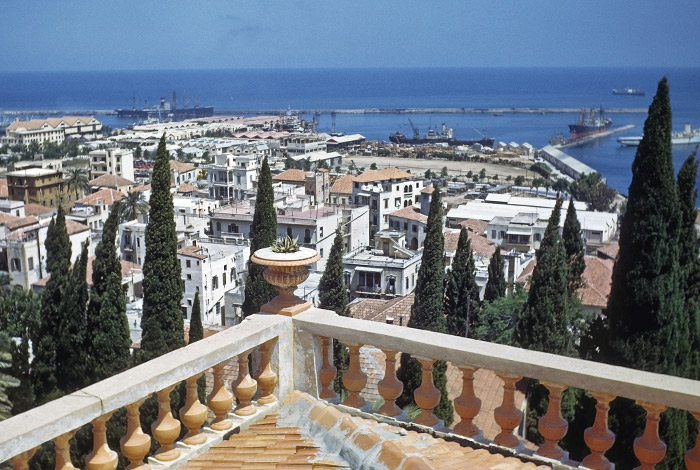
A breathtaking panoramic view of the city’s iconic rooftops and harbor. /© Ivan Dmitri/Michael Ochs Archives/Getty Images
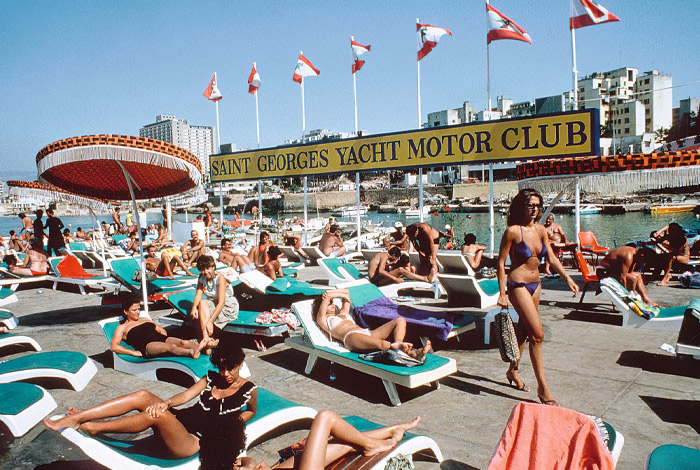
Saint Georges Yacht Club, 1983./ © Shutterstock
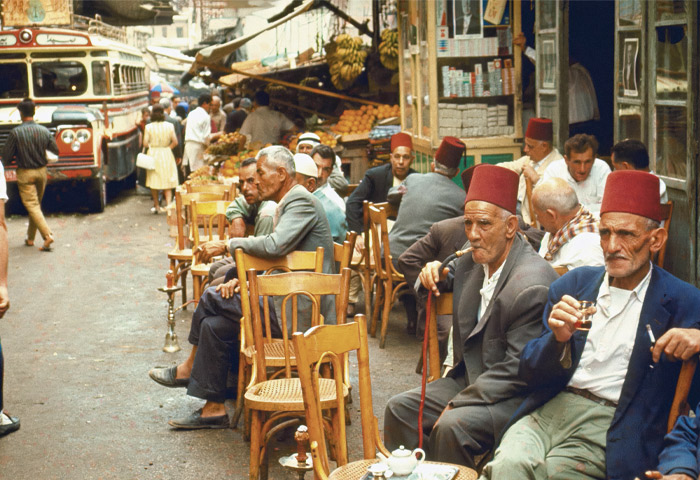
Tobacco and tea, circa 1964: In traditional nargile (hookah) pipes, the maassel—a shredded tobacco mixed with honey, molasses, or sugarcane, and flavorings such as fruit, mint, or spices—is heated by charcoal/ © Carlo Bavagnoli/The LIFE Picture Collection/Shutterstock
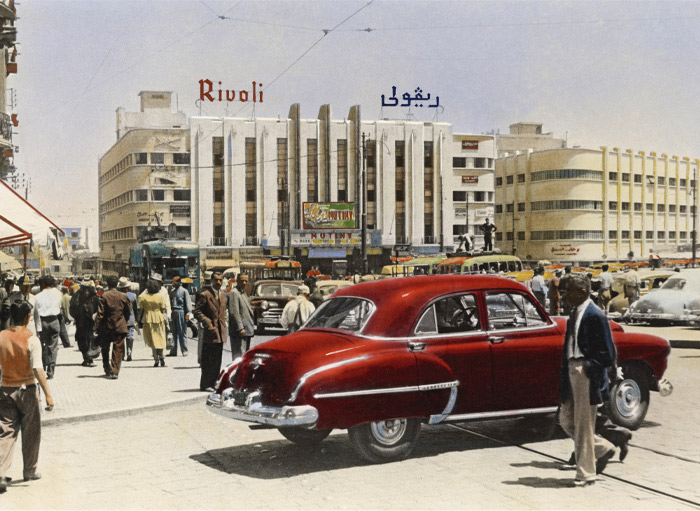
City center traffic on the Place des Canons in the 1950s/ © ullstein bild/ullstein bild/ Getty Images
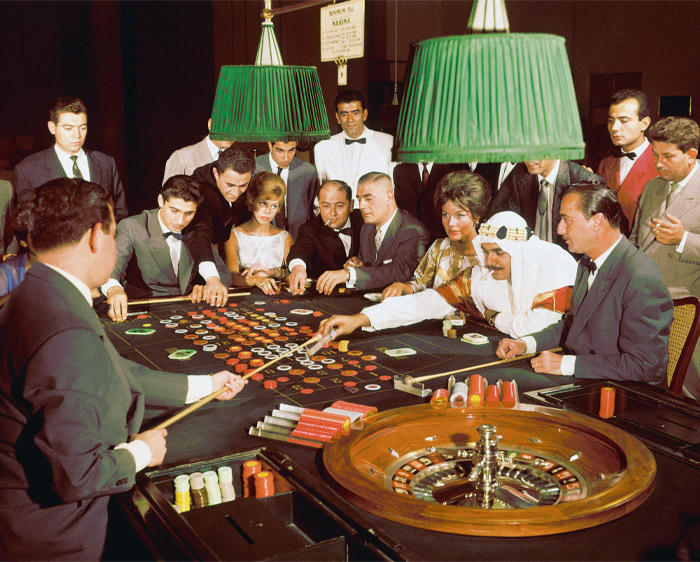
In the 1960s, the roulette tables at Beirut’s Casino du Liban attracted a cosmopolitan international/ © Alamy
For more, you can checkout: Through Sahtein Club, Ty Gaskins Brings Beirut to Every Table
For the latest in fashion, beauty, and lifestyle inspiration, visit our Instagram page.
Watch videos of top designers and celebrities on our YouTube channel and in the Videos section.
Recommended
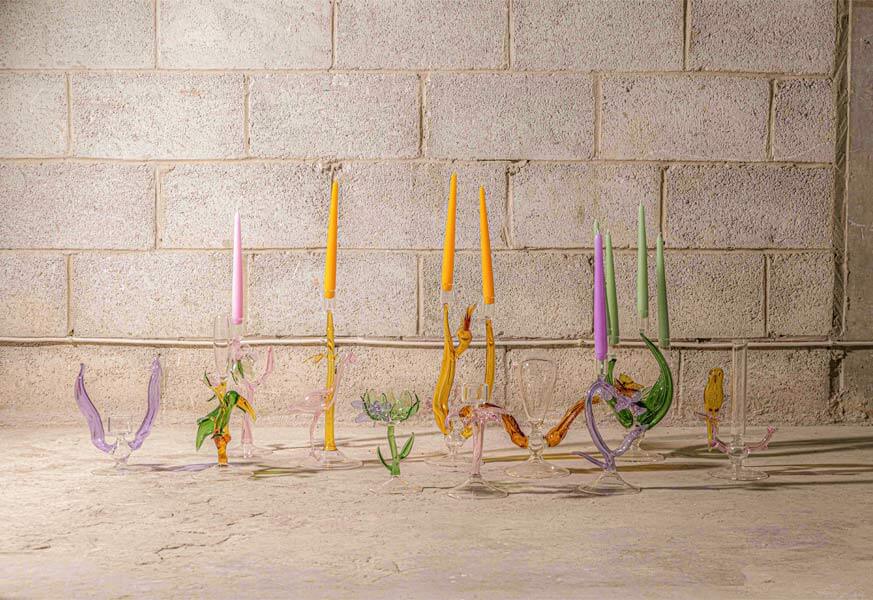
Les Jardins Muranais A Murano Glass Curation by Ghady Azar for Pik’d Gallery
4-June-2025

Georgette Abou Rached Launches Her Book "Lifting the Veil of Happiness" at Casino de Liban
11-September-2024
Most read
-
1
Kendall Jenner Makes Venice Film Festival Debut in ’90s-Inspired Style
-
2
The Beauty Drop: New Products to Refresh Your Routine
-
3
No Mascara? No Problem Benefit Cosmetics Guide to the Bare-Lash Trend
-
4
Tod’s Celebrates the Art of Italian Living in Its Fall/Winter 2027 Campaign
-
5
Dior Gives Its Iconic J’adore Hair Mist a Luminous New Makeover